Warm days, cold nights. A tomato grower asked me about it last week.
The first thing he said was that the average looked fine.
It does. An average cannot warn you about a swing.
Low twenties outside by day, close to single figures before sunrise.
Your screen and pipe strategy absorb most of that swing before it reaches the air around your crop, so the 24-hour number comes out respectable and nothing on your screen looks wrong.
The cold end: radiative cooling and your dew point margin
Take the cold end first.
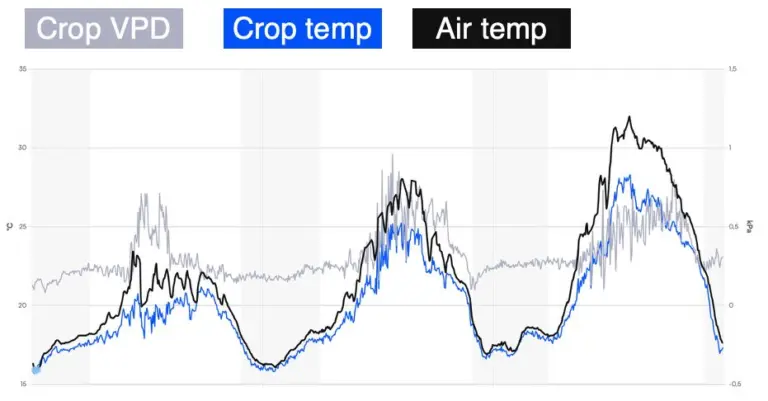
On a clear, still night the crop does not lose its energy to the outside air. It loses it as radiation, to a roof or screen that the open sky has just made very cold, a balance you can watch directly with a Net Radiometer. The air temperature barely registers that. Leaf and fruit temperature do.
Then the arithmetic. Take a night at 19 degrees. At 85% relative humidity your dew point is 16.4, so you have 2.6 degrees of margin. At 90% it is 17.3, and the margin is 1.7. Run the same sum at 17 or at 21 and those two numbers move by less than a tenth of a degree.
The leaf-to-air gap the air sensor won’t show you
Now take your leaf-to-air gap.
If you do not know what that gap is on a clear September night, you do not know whether you have a margin at all. And a head sitting on its dew point is a wet head, night after night. This leads to disease and a lack of activity.
The warm end: when calcium can’t keep up with demand
Now the warm end.
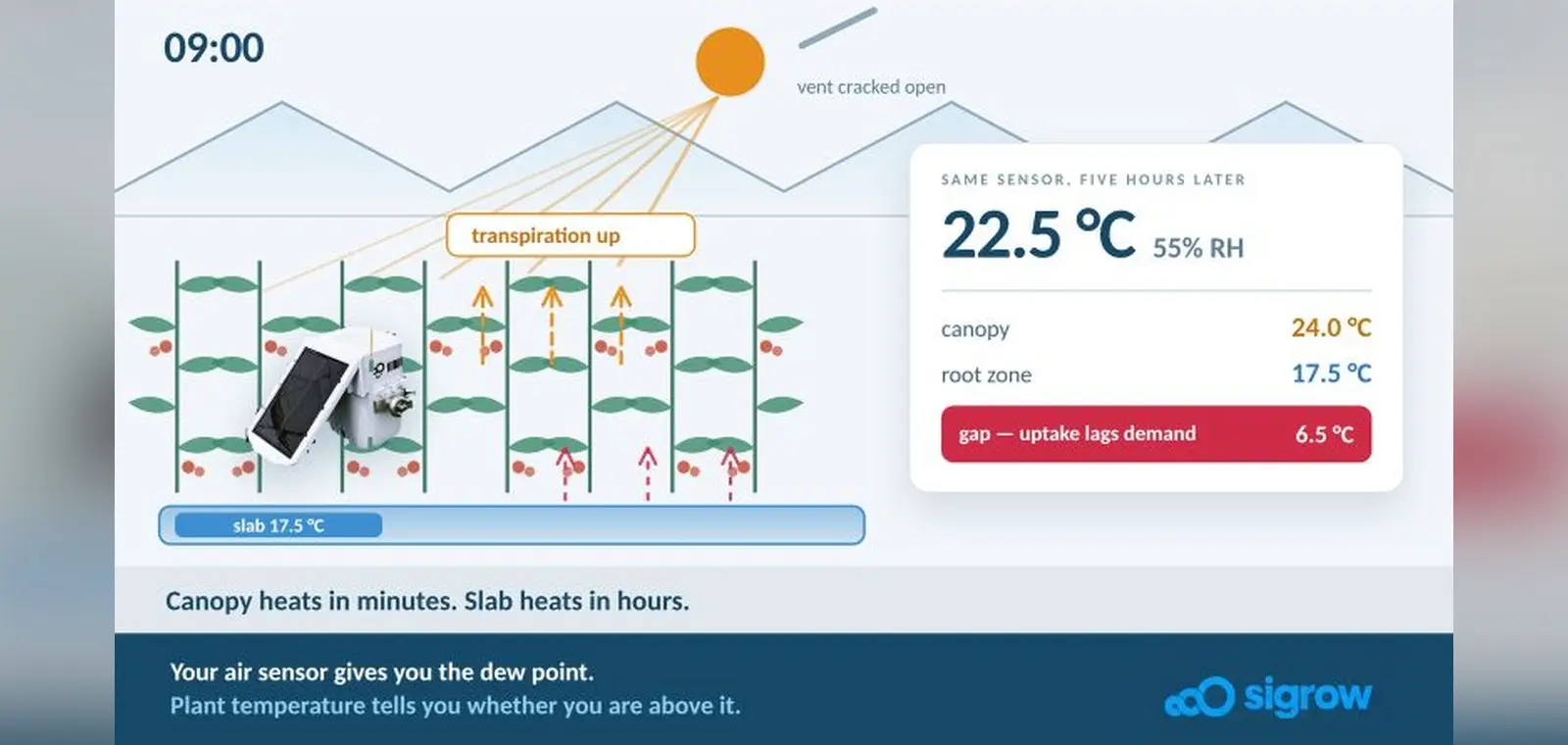
Your canopy heats in minutes. Your slab heats in hours. By nine in the morning you can have full demand at the leaf and a root zone still running last night’s temperature.
The plant covers the difference from the nearest reservoir, which is the fruit. Calcium travels in the transpiration stream. When uptake cannot follow demand, calcium stops travelling, and it shows up two trusses later.
Three things that help, cheapest first
- Close the screen on radiation, not on the clock. The fastest cooling of the day starts before it feels like it should.
- A small pipe early beats a large pipe late. You are buying plant temperature, not air temperature.
- Open in steps in the morning. Get the crop transpiring before the sun asks it to.
It’s not the drop you chose. It’s the one you didn’t.
To be fair, a controlled drop at the end of the day is a tool, not a fault. It moves assimilates into the fruit and plenty of growers use it deliberately. The problem is not the drop you chose. It is the one you did not.
If you want to go through your own curves, reach out to me or my colleagues at Sigrow.
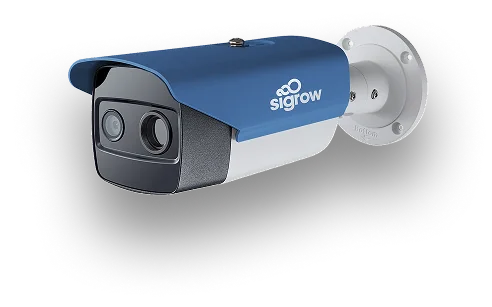
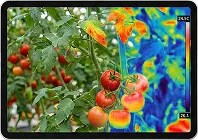
Sigrow’s Stomata Camera measures crop temperature, leaf-level VPD and stomatal behavior directly, while Air+ and Air Pro+ keep watch on humidity and CO₂. You can also check your own numbers with our free VPD calculator.
This post was originally shared by Timon van Lemmen on LinkedIn. Read the original post →
Want to discuss dew point margins and leaf temperature in your greenhouse? Reach out to Timon and the Sigrow team at success@sigrow.com (Mon to Fri, 9:00 to 18:00 CET) or support@sigrow.com (Mon to Fri, 9:00 to 21:00 CET).
Follow Sigrow on LinkedIn for more insights from the field.
Author

Related Blogs

- Grower Insights
By SigrowSpectral Solar Panels Keep Greenhouses Cooler — Why Plant Temperature Monitoring Matters
Nieuwe Oogst covers Voltiris spectral panels that filter NIR while passing PAR light….- Grower Insights
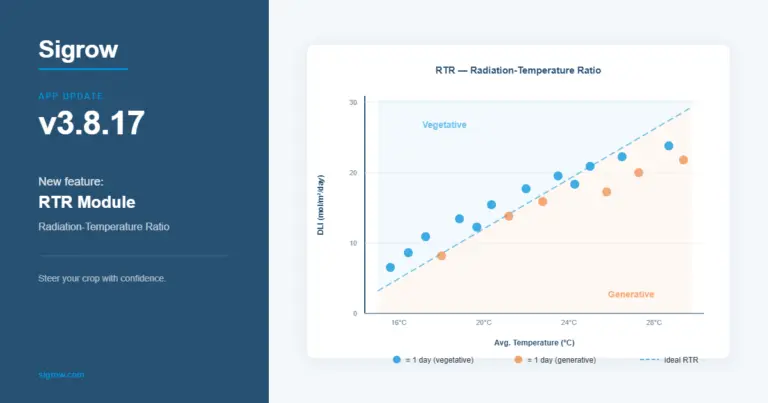
By SigrowMore Light or More Temperature? How RTR Answers the Question
Light makes the sugars, temperature spends them. RTR connects the two and shows…- Grower Insights
By SigrowLimiting Ventilation in a Heatwave: What Crop VPD Shows
Air and crop temperature both climbed for days. Crop VPD stayed below stress…

No Related Blogs Found
120-Day Promise
Try Sigrow for 120 days, risk-free. If it does not get your operation under tighter control, send the system back for a full refund of the hardware and the software subscription paid to date — no restocking fee.
We’re here to support you.
Questions, assistance, or just want to chat – reach out!