“Does my crop need more light or more temperature?” “It depends.” A very unsatisfactory answer to many questions in greenhouse horticulture — and yet probably one of the most accurate ones. There is hardly ever a single, clear response; it almost always depends on the crop, the variety, the growth stage, the time of year, and the greenhouse setup. The Radiation-Temperature Ratio (RTR) is a practical tool that helps growers frame that “it depends” more precisely.
Why This Question Comes Up in Every Greenhouse
Light and temperature are the two dominant inputs in a controlled greenhouse environment, yet they drive very different plant processes. Light drives photosynthesis — the production of sugars. Temperature drives the consumption of those sugars. When they are in balance, a plant uses what it produces, and growth is stable and predictable. When they are out of balance, the plant responds: either pushing toward more generative development, or pulling toward more vegetative growth.
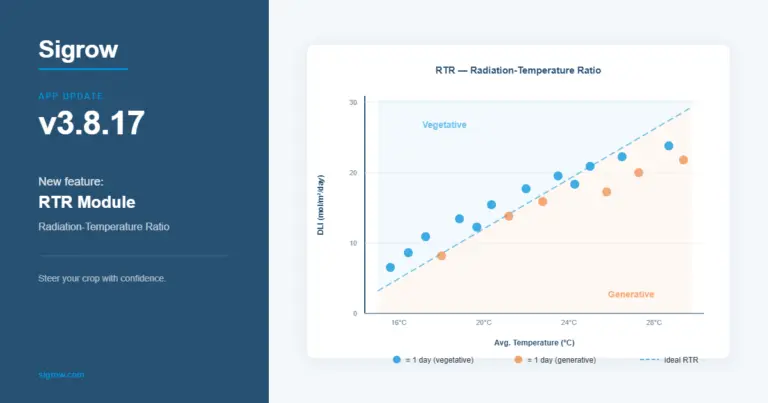
RTR makes this relationship explicit. It is the ratio of temperature to radiation (expressed as PAR), and it tells you whether your crop is running warm relative to the light it receives — or cool relative to the light available.
What RTR Reveals About Crop Behavior
Within the Plant Empowerment framework, RTR connects directly to the concept of assimilate balance — the balance between what a plant produces and what it spends. Here is how the three main scenarios play out in practice:
- High temperature relative to light → more generative behavior: faster development, higher truss speed, smaller fruits.
- High light relative to temperature → more vegetative behavior: stronger stem growth, larger leaves, delayed fruiting.
- Balanced RTR → efficient energy use, consistent growth pattern, and more predictable crop quality.
This is, of course, a simplification. Any single metric that describes a complex biological system will leave things out. But RTR is a useful metric precisely because it gives you the direction: are you steering generative or vegetative, intentionally or by accident?
Defining Your Target RTR
The right RTR is not universal. It depends on your crop, the variety, whether you are aiming for a generative or vegetative phase, the crop stage, and the time of year. A young plant in early development may call for a different ratio than a mature crop in full production. Once your goals are clear, however, RTR gives you a concrete reference point to steer toward — and a way to verify whether your greenhouse climate is actually delivering it.
RTR at Crop Level: Using Leaf Temperature Data
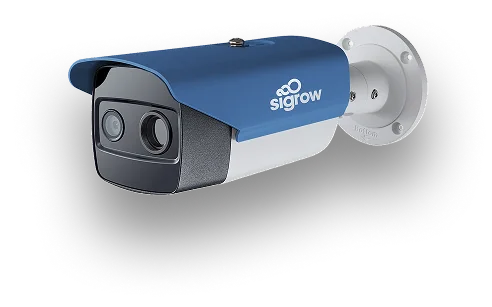
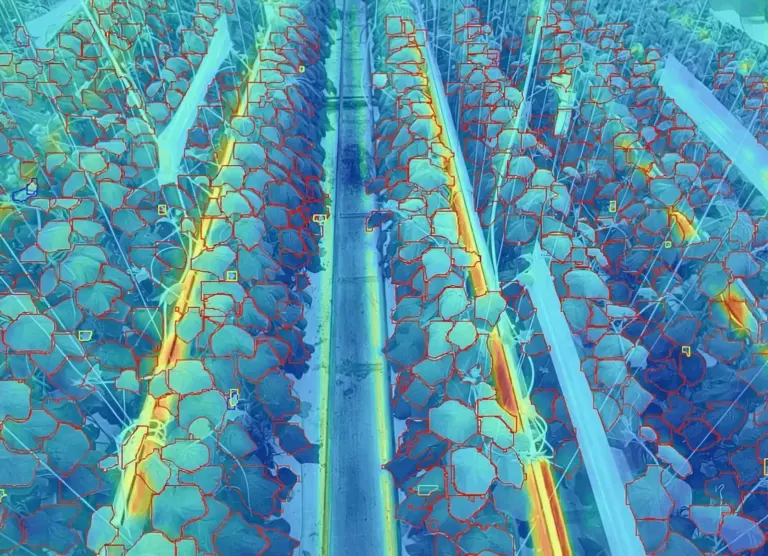
One meaningful development: it is now possible in Sigrow to use leaf temperature data from the Stomata Camera‘s leaf temperature module to calculate RTR at crop level. This means RTR can reflect the actual temperature the plant is experiencing — not just the air temperature registered by the climate computer. The result is a steering signal that is grounded in what the plant is actually doing, rather than what the surrounding environment suggests.
RTR is a clear example of how data-driven cultivation moves beyond monitoring and into steering. As Plant Empowerment principles continue to spread through the greenhouse industry, tools like this are becoming standard in professional crop management.
Stay up to date with grower insights and the latest from Sigrow — follow us on LinkedIn.
Curious how Sigrow supports RTR monitoring and crop steering in your operation? Contact our team: Customer Success: success@sigrow.com (Mon–Fri 9:00–18:00 CET) | Technical Support: support@sigrow.com (Mon–Fri 9:00–21:00 CET)
Author

Related Blogs

- Grower Insights
By SigrowWarm Days, Cold Nights: Why Your Tomato Crop’s Dew Point Margin Matters
A respectable 24-hour average can hide a night on the dew point and…- Grower Insights
By SigrowSpectral Solar Panels Keep Greenhouses Cooler — Why Plant Temperature Monitoring Matters
Nieuwe Oogst covers Voltiris spectral panels that filter NIR while passing PAR light….- Grower Insights
By SigrowMore Light or More Temperature? How RTR Answers the Question
Light makes the sugars, temperature spends them. RTR connects the two and shows…

No Related Blogs Found
120-Day Promise
Try Sigrow for 120 days, risk-free. If it does not get your operation under tighter control, send the system back for a full refund of the hardware and the software subscription paid to date — no restocking fee.

We’re here to support you.
Questions, assistance, or just want to chat – reach out!