“Does my crop need more light or more temperature?”
The answer is often: it depends. Growers can determine that using the Plant Empowerment Academy concept called RTR.
What the Radiation-Temperature Ratio actually connects
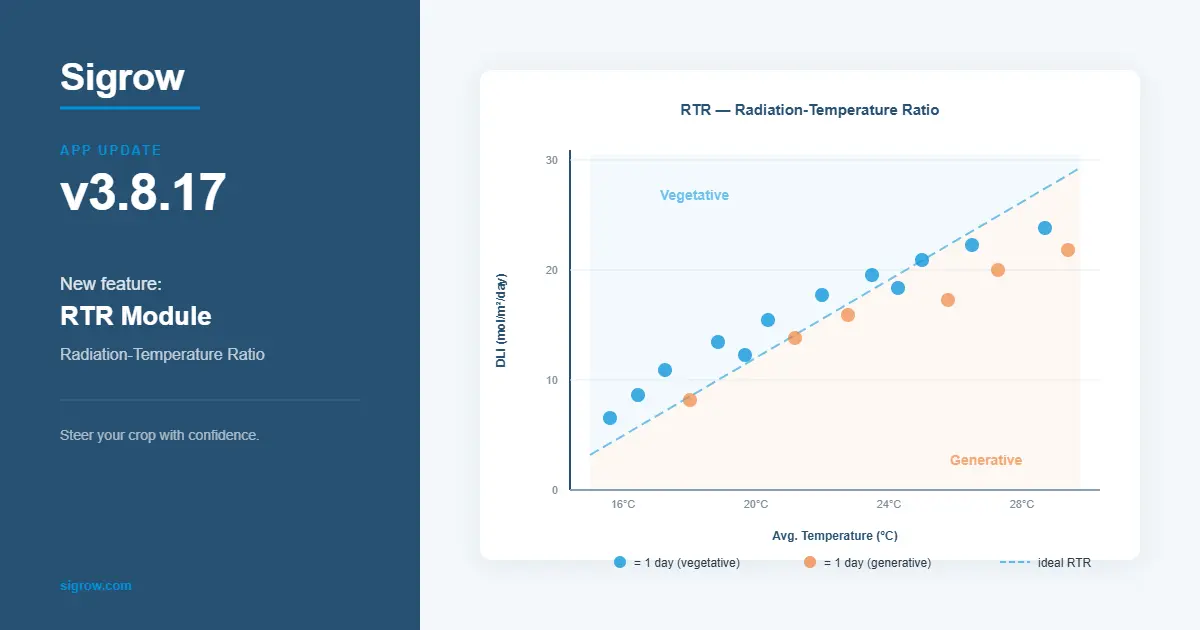
Light drives photosynthesis and sugar production, while temperature determines how quickly the plant uses those sugars. The Radiation-Temperature Ratio (RTR) connects these two factors and helps growers understand whether the crop is operating in balance.
How RTR steers the crop, in simplified terms
- High temperature relative to light can steer the crop more generatively
- High light relative to temperature can promote stronger vegetative growth
- A balanced RTR supports efficient energy use, consistent development, and crop quality
There is no single ideal RTR
The ideal RTR depends on the crop, variety, growth stage, climate, and cultivation strategy. However, once the objective is clear, RTR provides a practical way to evaluate whether light and temperature are aligned with the plant’s needs.
Calculating RTR from crop-level leaf temperature
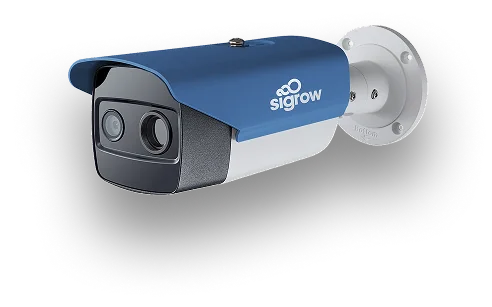
Sigrow users can now use crop-level leaf temperature data from the Stomata Camera to calculate RTR and support more data-driven crop steering.
How are you using RTR in your cultivation strategy?
One acronym, two meanings. On this page, RTR means the Radiation-Temperature Ratio — the balance between light and temperature used for crop steering. The Stomata Camera also reports Real RTR, which stands for Real Transpiration Rate, a direct measurement of how much the crop is actually transpiring. Related, but not the same number.
For the longer explanation of how RTR works and how growers apply it day to day, read our full guide: Does Your Crop Need More Light or More Temperature? Understanding RTR.
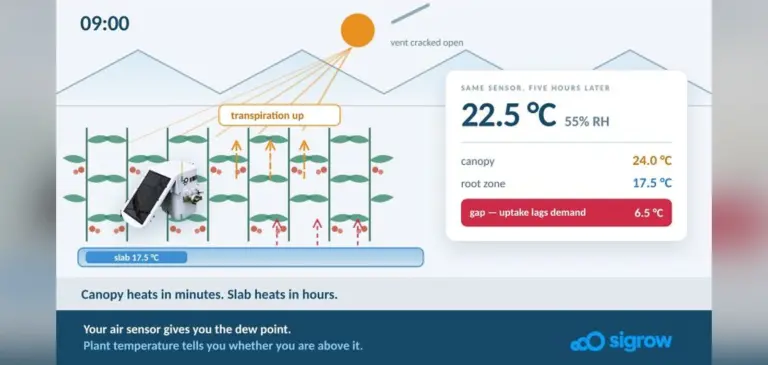
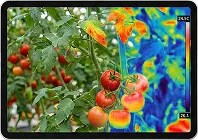
Steering on RTR depends on knowing the crop’s own temperature, not just the air. The Stomata Camera measures leaf temperature, leaf-level VPD and stomatal behavior directly, while Air+ and Air Pro+ keep watch on humidity and CO₂.
This post was originally shared by Sigrow on LinkedIn. Read the original post →
Want to discuss crop steering in your greenhouse? Reach out to the Sigrow team at success@sigrow.com (Mon to Fri, 9:00 to 18:00 CET) or support@sigrow.com (Mon to Fri, 9:00 to 21:00 CET).
Follow Sigrow on LinkedIn for more insights from the field.
Author

Related Blogs

- Grower Insights
By SigrowWarm Days, Cold Nights: Why Your Tomato Crop’s Dew Point Margin Matters
A respectable 24-hour average can hide a night on the dew point and…- Grower Insights
By SigrowSpectral Solar Panels Keep Greenhouses Cooler — Why Plant Temperature Monitoring Matters
Nieuwe Oogst covers Voltiris spectral panels that filter NIR while passing PAR light….- Grower Insights
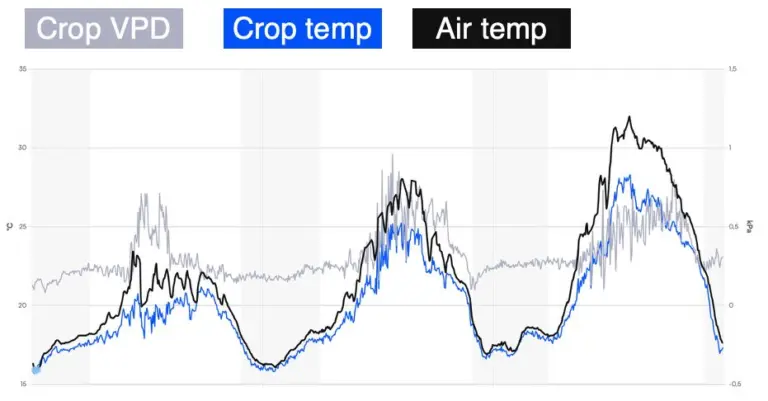
By SigrowLimiting Ventilation in a Heatwave: What Crop VPD Shows
Air and crop temperature both climbed for days. Crop VPD stayed below stress…

No Related Blogs Found
120-Day Promise
Try Sigrow for 120 days, risk-free. If it does not get your operation under tighter control, send the system back for a full refund of the hardware and the software subscription paid to date — no restocking fee.
We’re here to support you.
Questions, assistance, or just want to chat – reach out!