Which system do you trust more: the thermistor in your home heating system, or the climate control system that manages your greenhouse?
Proper placement of your home’s heating thermistor is important, as it directly affects how comfortable you feel. It’s recommended to mount it on an interior wall, away from outside walls or windows. Why? Because a bedroom is not uniform and it is not expected to be uniform. Areas near windows and exterior walls are typically cooler in winter and warmer with solar gain, while interior zones better represent the average room condition. If you place the sensor in the wrong spot, you collect biased data, and the system controls to the wrong temperature.
Now consider this: even in a small bedroom, we expect a typical 1–2 °C temperature difference within the space. So why do growers often treat greenhouses, which are vastly bigger and more complex than a bedroom, as uniform environments?
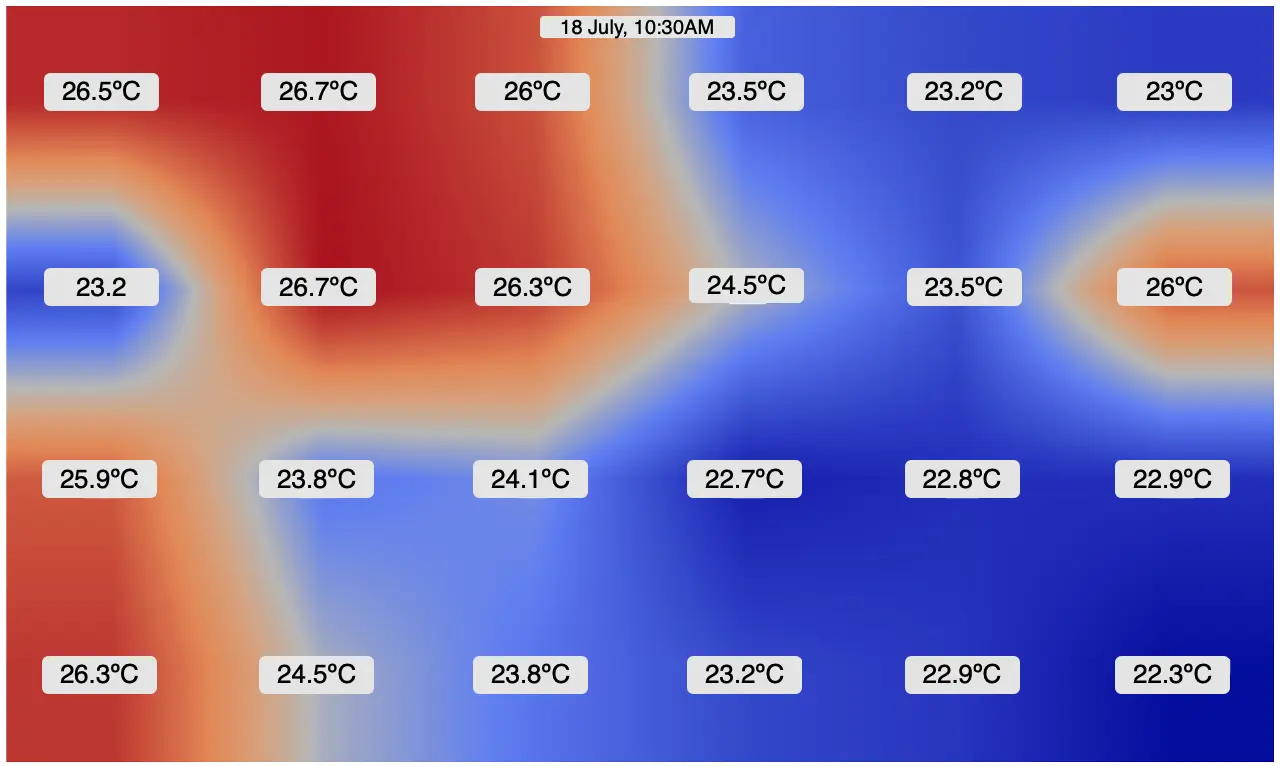
In recent discussions with growers during “Data-Discovery meetings,” we review the temperature gradients within their greenhouses. A common situation is when a grower explains that one climate box per hectare is sufficient. We then encourage them to install additional sensors. What happens next? We always discover that within a single hectare, previously considered uniform, there can be temperature differences of up to 8 ºC, creating cold spots with higher humidity and warmer areas that are significantly drier. Despite these variations, many growers still rely on a single reading, typically from the center of the greenhouse, to control the entire compartment. I guess it not difficult to understand what can be the result of this?
A non-uniform climate can lead to uneven crop growth, differences in plant development stages, increased disease pressure in wetter zones, and higher stress in warmer, drier areas. It can also result in inefficient energy use, as the system may overheat some sections while underheating others. Ultimately, this variability affects yield consistency, product quality, and overall operational performance.
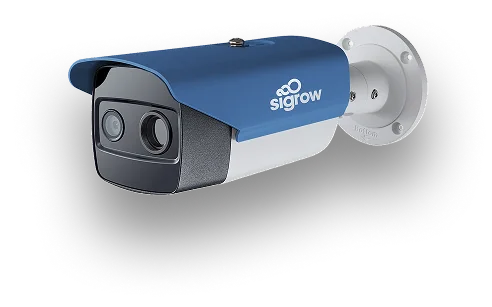
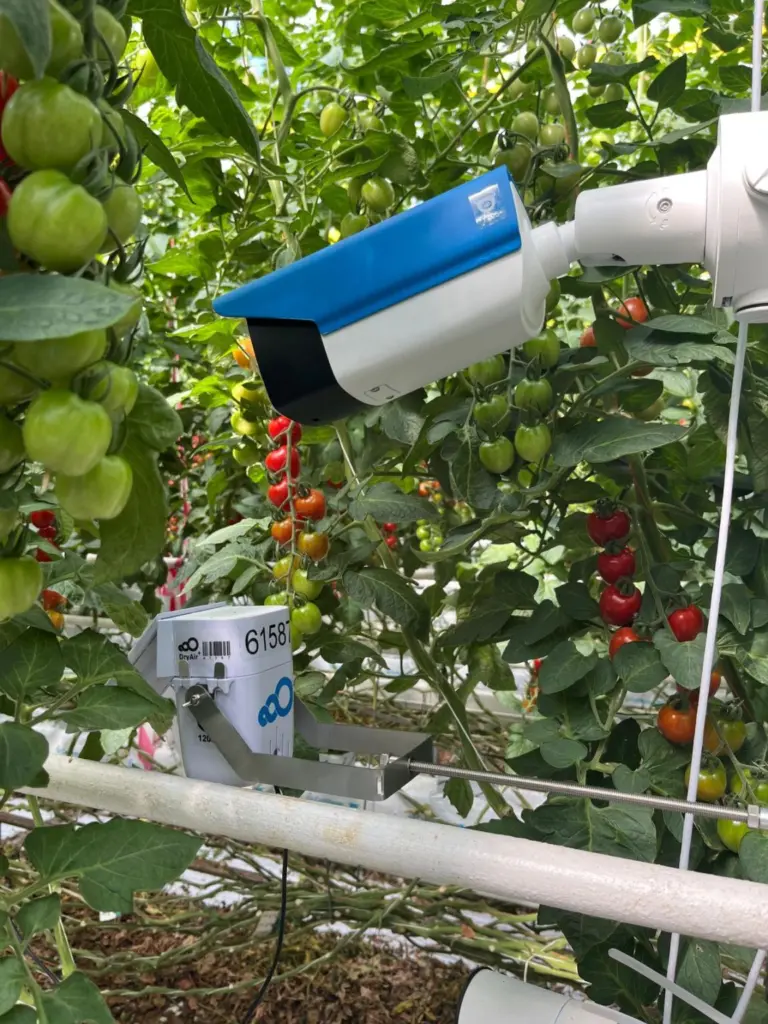
So what can you do? At Sigrow, we work with growers to reduce climate non-uniformity in their greenhouses. The first step? Collecting more data. Specifically, we recommend installing around 16 temperature, humidity and PAR sensors per hectare, placed in a 4×4 grid, to properly capture climate variation. Once this data is gathered, we use the heatmap module in our app to identify and analyze areas of inconsistency.
Common causes include:
- doors being opened too frequently
- very cold irrigation water
- screen gaps when done improperly
- ventilation opened on only one side.
After identifying the root causes, we work together to define corrective actions, leading to a more uniform and controlled greenhouse climate.
How do you manage the climate uniformity of your greenhouse?
Author

Related Blogs

- Grower Insights
- Sensors & Data
By SigrowLess Mycos in LED Cucumber: Why Stimulating Transpiration Takes a Different Kind of Control
A new field report from Delfgauw confirms what leaf-level sensor data has been…- Sensors & Data
By Mihnea ParaschivAutumn cultivation: the most challenging season for growers
Autumn cultivation is the most challenging season for greenhouse growers. Learn how to…- Sensors & Data
By Mihnea ParaschivEnergy Prices Are Rising Again Worldwide
Energy prices are rising again. Learn how Dutch greenhouse growers reduce energy use…

No Related Blogs Found
120-Day Promise
Try Sigrow for 120 days, risk-free. If it does not get your operation under tighter control, send the system back for a full refund of the hardware and the software subscription paid to date — no restocking fee.

We’re here to support you.
Questions, assistance, or just want to chat – reach out!