Energy prices are rising again worldwide, putting pressure on businesses to reduce energy consumption. For greenhouse horticulture this is especially critical, as margins are tight and energy is one of the largest operational costs.
For Dutch growers, however, this challenge is not new.
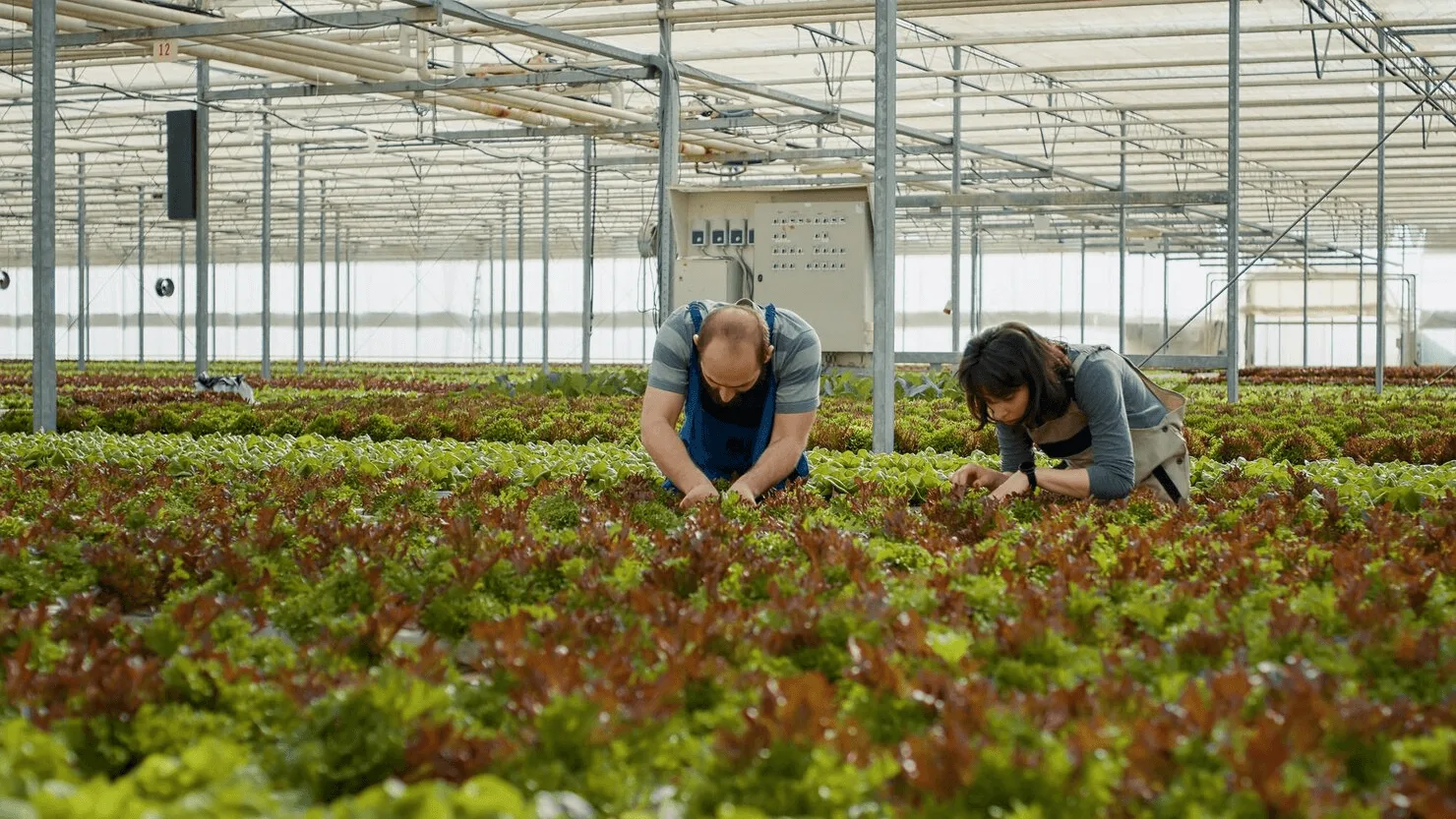
During the 2022 energy crisis, prices skyrocketed and many growers struggled to stay profitable. Energy reduction quickly became the main focus: how can we grow the same crop using less energy?
Once growers started using crop sensors and data more actively, many discovered there was significant room to reduce energy use. A clear example was night-time heating. Many greenhouses maintained relatively high heating levels at night, resulting in crop VPD values around 0.4–0.6 kPa. In many cases this proved unnecessary. Lower heating and a calmer night climate allowed plants to recover better while saving substantial amounts of energy.
The sector responded through innovation. Growers adapted their strategies using a combination of approaches:
- Switching from HPS to LED lighting
- Installing additional energy screens and using them more hours
- Reducing minimum pipe temperatures
At the same time, concepts like Plant Empowerment Academy gained traction, focusing on balancing energy, water and assimilates so plants can regulate themselves more effectively.
An important shift was moving from air-based measurements to crop-centric measurements such as crop temperature and crop VPD. These help growers understand how the plant actually experiences the climate and how far energy reductions can go without harming crop performance.
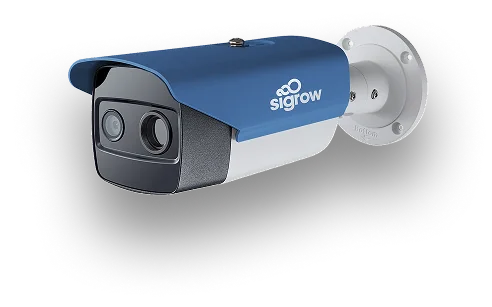
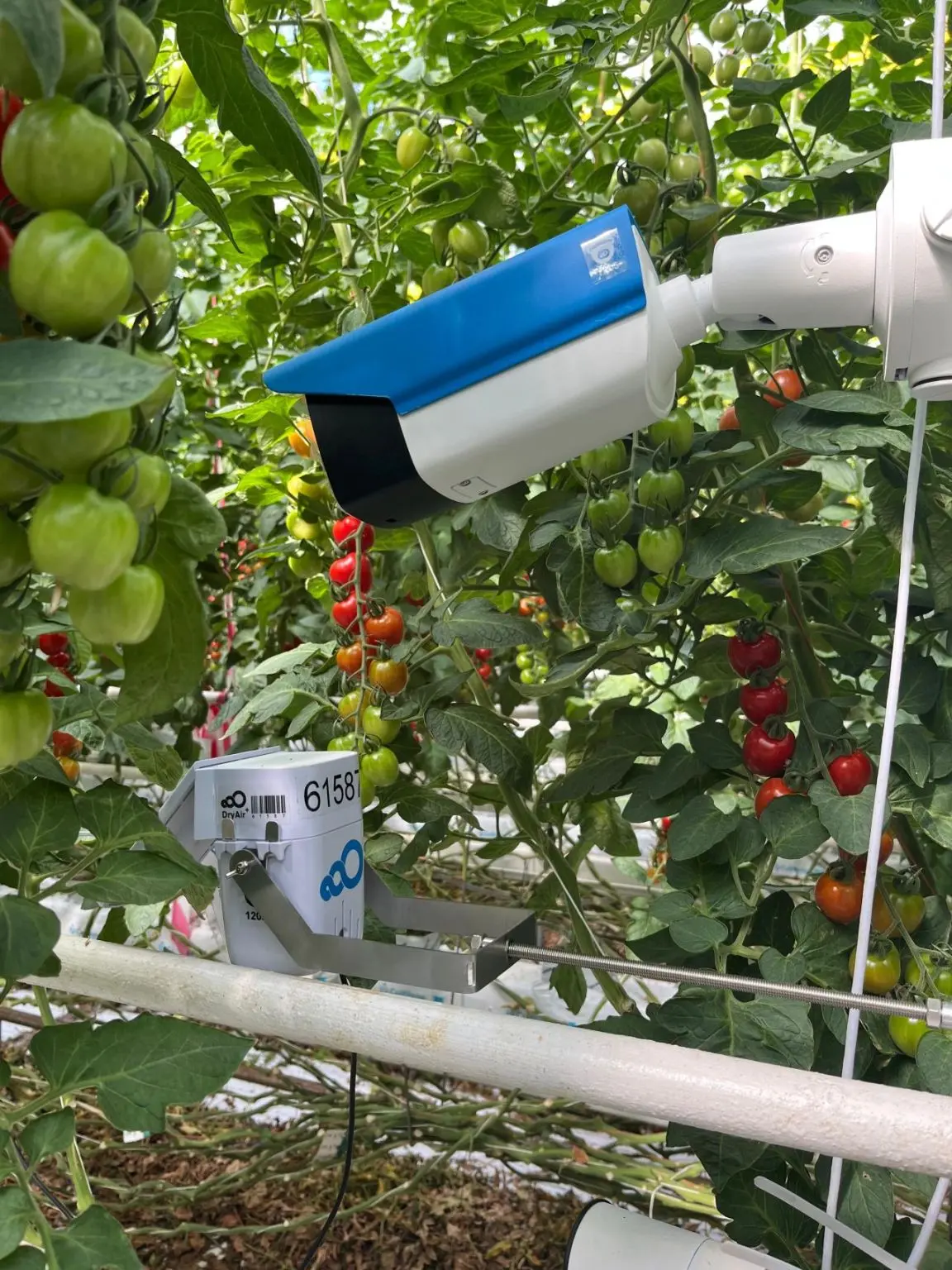
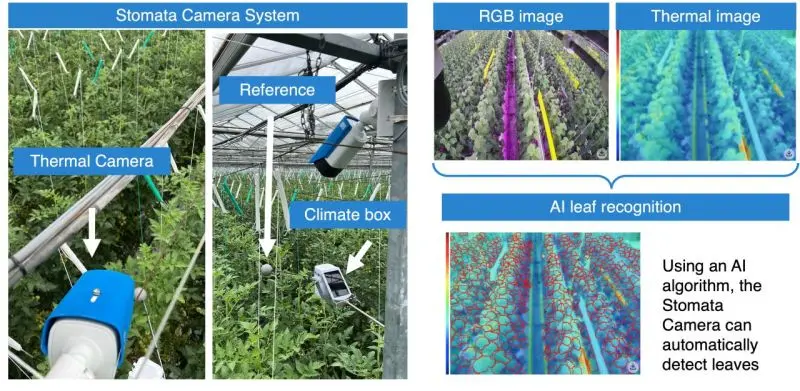
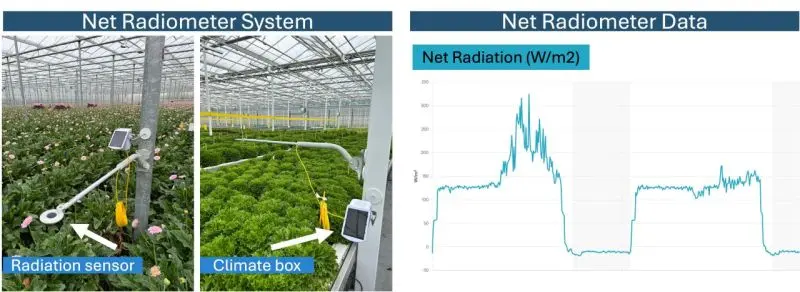
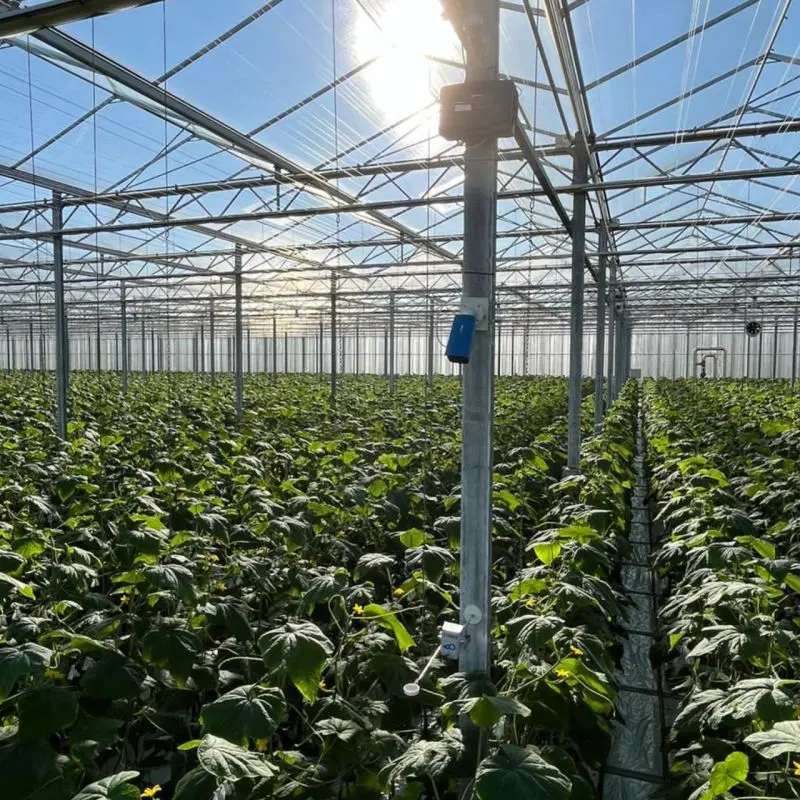
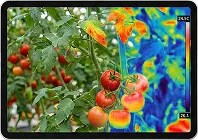
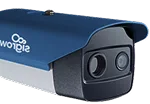
This is where sensor technology plays a role. Tools such as the Sigrow Stomata Camera measure crop temperature and crop VPD, while a Net Radiometer measures the crop’s energy balance. With these insights, growers can optimize heating, ventilation and screen use while preventing issues like condensation, guttation or reduced plant activity.
With energy prices rising again globally, greenhouse operations should closely examine their energy use. The DLI and supplemental light calculator shows how much daylight the crop already receives and how many lamp hours are needed to reach the target.
The good news is that the Dutch greenhouse sector has already shown what is possible. If you are interested in discussing practical ways to reduce energy use in greenhouses, feel free to reach out. I would be happy to share several case studies.
Author

Related Blogs

- Grower Insights
- Sensors & Data
By SigrowLess Mycos in LED Cucumber: Why Stimulating Transpiration Takes a Different Kind of Control
A new field report from Delfgauw confirms what leaf-level sensor data has been…- Sensors & Data
By Mihnea ParaschivWhich System do you trust more
Thermistor or crop sensors? Learn which measurement system gives better insights into plant…- Sensors & Data
By Mihnea ParaschivAutumn cultivation: the most challenging season for growers
Autumn cultivation is the most challenging season for greenhouse growers. Learn how to…
No Related Blogs Found
120-Day Promise
Try Sigrow for 120 days, risk-free. If it does not get your operation under tighter control, send the system back for a full refund of the hardware and the software subscription paid to date — no restocking fee.
We’re here to support you.
Questions, assistance, or just want to chat – reach out!