Overview
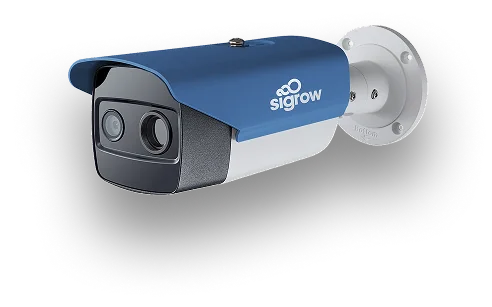
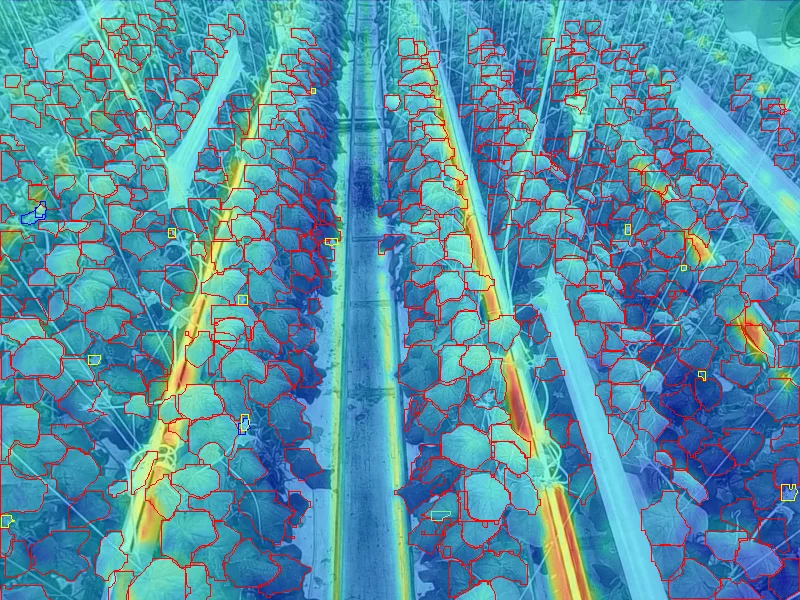
Sigrow is the first to bring AI-powered powdery mildew detection to snack cucumber growers. Sigrow deployed its Stomata Camera system to tackle powdery mildew in snack cucumber cultivation. By combining thermal imaging, computer vision, and environmental sensors, the system detects plant stress days before visible symptoms appear — enabling targeted intervention instead of blanket treatment.
The Challenge
Powdery mildew is the most persistent disease threat in greenhouse cucumber cultivation. It spreads rapidly in dense canopies and is difficult to detect early through manual scouting alone. By the time white patches are visible on leaves, the fungus has already compromised transpiration and photosynthesis, leading to reduced yield and lower fruit quality. Traditional crop protection relied on scheduled fungicide applications, treating the entire greenhouse regardless of where the actual risk was.
Goals & Objectives
- Detect powdery mildew and plant stress earlier than manual scouting
- Reduce crop losses from disease outbreaks
- Gain better grip on snack cucumber quality throughout the growing cycle
- Shift from calendar-based spraying to targeted, data-driven crop protection
The Sigrow Solution
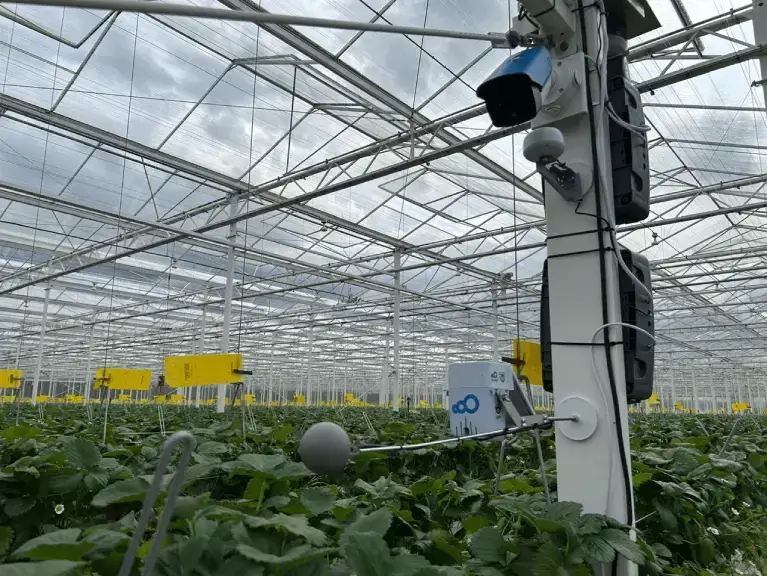
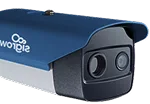
Sigrow installed in 3 different locations 9 of its Stomata Camera system for continuous, real-time crop monitoring inside the greenhouse.
What was measured:
- Stomata images — leaf surface health and transpiration behavior
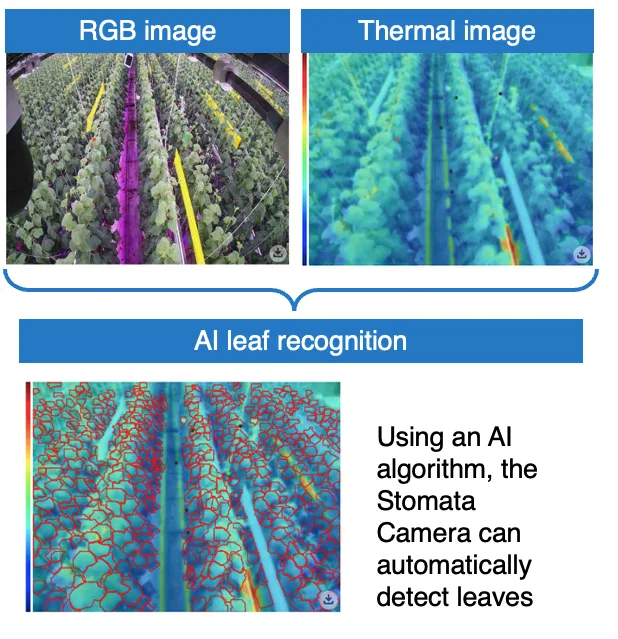
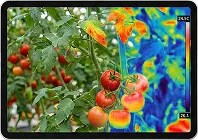
- Thermal imaging — leaf temperature vs. ambient temperature differential
- Leaf and fruit recognition — growth stage tracking and visual abnormalities
- Climate data — air temperature and humidity at canopy level
By combining thermal imaging with computer vision and environmental data, the system creates a real-time plant health profile for each greenhouse zone.
Data Insights & Analysis
Healthy cucumber leaves transpire actively — their stomata open, releasing moisture, which keeps leaf temperature below ambient. When powdery mildew begins colonizing a leaf, stomatal function degrades before any white patches appear. The Stomata Camera picks this up as two concurrent signals: stomata that are closing or responding sluggishly in images, and a rising leaf-to-air temperature differential on the thermal feed. Meanwhile, the visual recognition model flags early texture changes on the leaf surface — subtle discoloration and surface irregularities invisible to the naked eye. These three signals together pinpoint not just that something is wrong, but where in the greenhouse it’s starting — often 2-3 days before a scout would notice.
Actions Taken
Based on the insights:
- Crop protection was applied only to flagged zones, reducing unnecessary fungicide use
- Greenhouse climate settings were adjusted to minimize conditions favorable to powdery mildew development
- Scouting labor was redirected to high-risk areas identified by the system
These actions were continuously monitored and optimized using live data feedback.
Results & Impact
As a result of the data-driven approach:
- Earlier detection of powdery mildew — intervention before visible symptoms
- Reduced crop losses from outbreaks that previously went unnoticed until too late
- Better grip on fruit quality throughout the season
- More targeted use of crop protection inputs
- Shift from reactive treatment to preventive, data-driven disease management
Key Takeaways
- Powdery mildew can be detected before visible symptoms through thermal and stomatal analysis
- Combining thermal imaging, computer vision, and climate data enables precision crop protection in greenhouse cucumbers
- Sigrow’s smart greenhouse monitoring is available for all major vegetable and flower crops — and where it’s not yet available, Sigrow builds it if there’s demand
Related Case Study
-
 2 minutes
Blom Kentia Palms- Mastering Growth Through Precision Data
Blom Kentia Palms is a family business that runs one of the most modern palm nurseries in Europe. Located in Aalsmeer, they supply customers worldwide with their Kentias. Our continuous data measurement was especially useful for their growth optimization.- Horticulture
120-Day Promise
Try Sigrow for 120 days, risk-free. If it does not get your operation under tighter control, send the system back for a full refund of the hardware and the software subscription paid to date — no restocking fee.
We’re here to support you.
Questions, assistance, or just want to chat – reach out!