In recent “Data Discovery” meetings I had with vegetable growers across North America and Europe, one topic keeps returning: vapor pressure difference (VPD). We all monitor it. But what actually happens inside the plant when VPD moves outside its optimal range?
Why VPD matters
VPD determines how strongly the air pulls moisture from the crop** (see pinned comment for a correction)
- Higher VPD → more moisture pulled from the leaf → higher transpiration
- Lower VPD → less moisture pulled → lower transpiration
But plants have limits.
Above approximately 1.5 kPa, stomata begin to close to prevent dehydration. Once that happens:
- Transpiration becomes restricted
- CO₂ uptake declines
- Photosynthesis is reduced, even under good light conditions
The optimal crop VPD range is generally 0.3–1.5 kPa. Outside this window, crop performance starts to suffer.
What happens when VPD is too low?
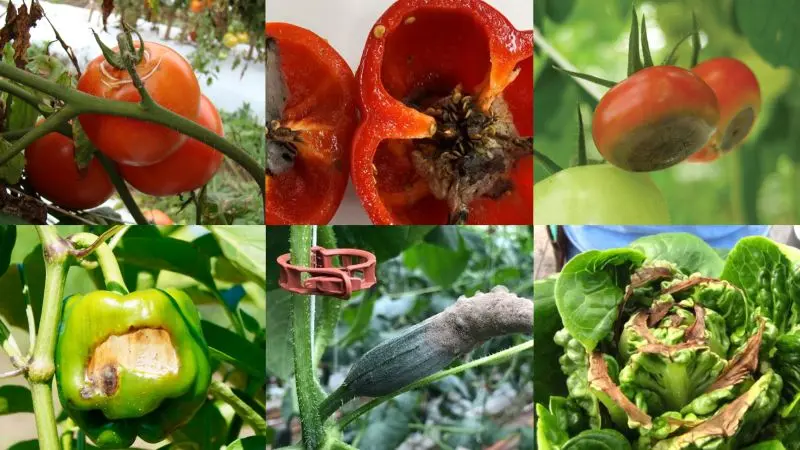
Low VPD reduces transpiration. That directly impacts calcium transport, because calcium is immobile and depends entirely on transpiration flow.
Possible consequences:
- Fruit cracking
- Blossom end rot
- Tip burn
- Increased susceptibility to Botrytis and inner rot
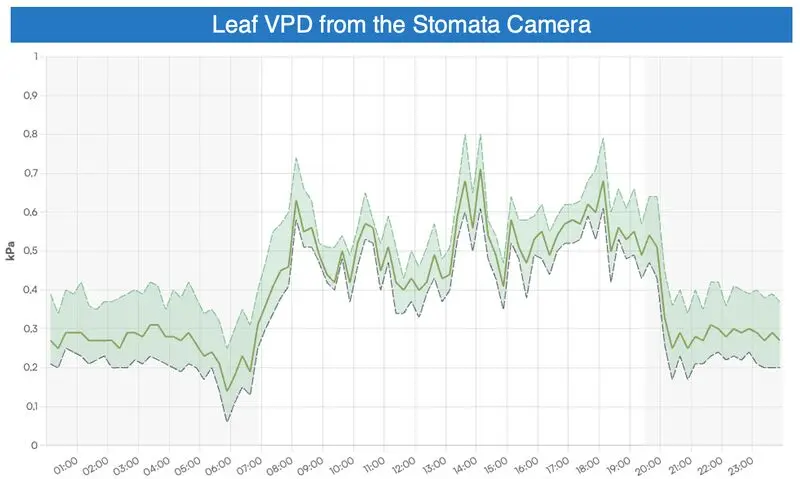
Moreover, during the night, if VPD remains below 0.5 kPa, water accumulates inside the plant, and morning guttation may occur, increasing fungal disease pressure.
What happens when VPD is too high?
When VPD exceeds 1.5 kPa:
- Stomata close
- CO₂ uptake decreases
- Photosynthesis becomes CO₂-limited
The crop may look active, but physiologically it is restricted.
Seasonal reality
In summer, high VPD is often the main concern.
In late autumn, winter, and early spring, low VPD caused by humid air is usually the greater challenge.
How to manage it properly
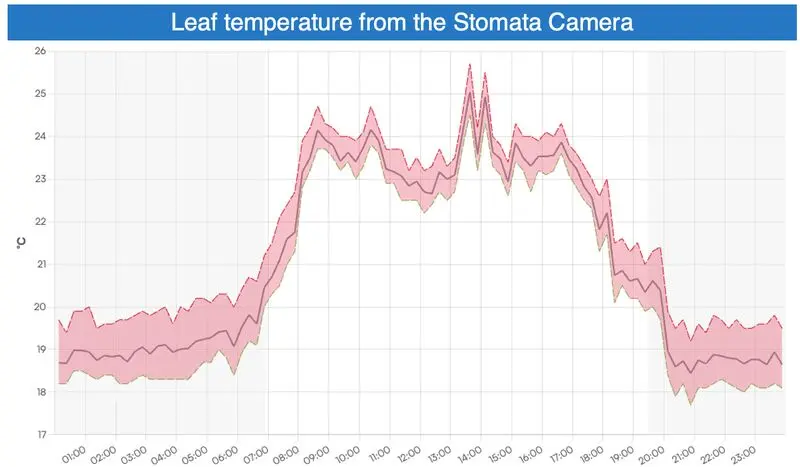
At Sigrow, we take a crop-centric approach to climate management, measuring what the plant actually experiences rather than just the air around it. In this post, we’ll focus on strategies to increase VPD, as this is the main challenge for the current season. The solution is not simply “decrease temperature” or “increase temperature.” The goal is to avoid unstable microclimates and sudden plant temperature drops, keeping VPD within the optimal range.
Key focus areas:
- Prevent cold air drops through screen gaps
- Avoid cold screen surfaces
- Reduce radiation loss
- Fine-tune venting
- Optimize dehumidification
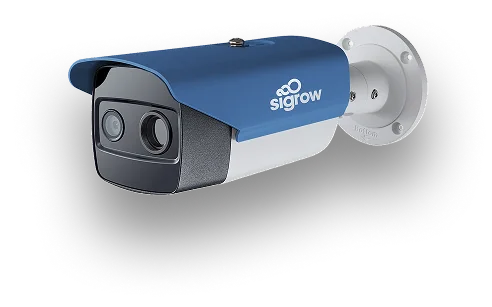
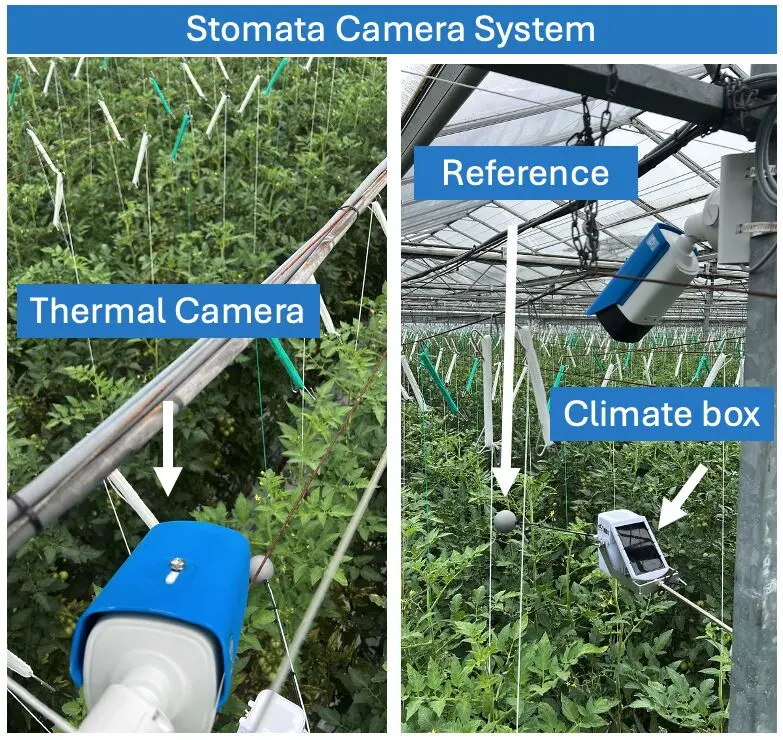
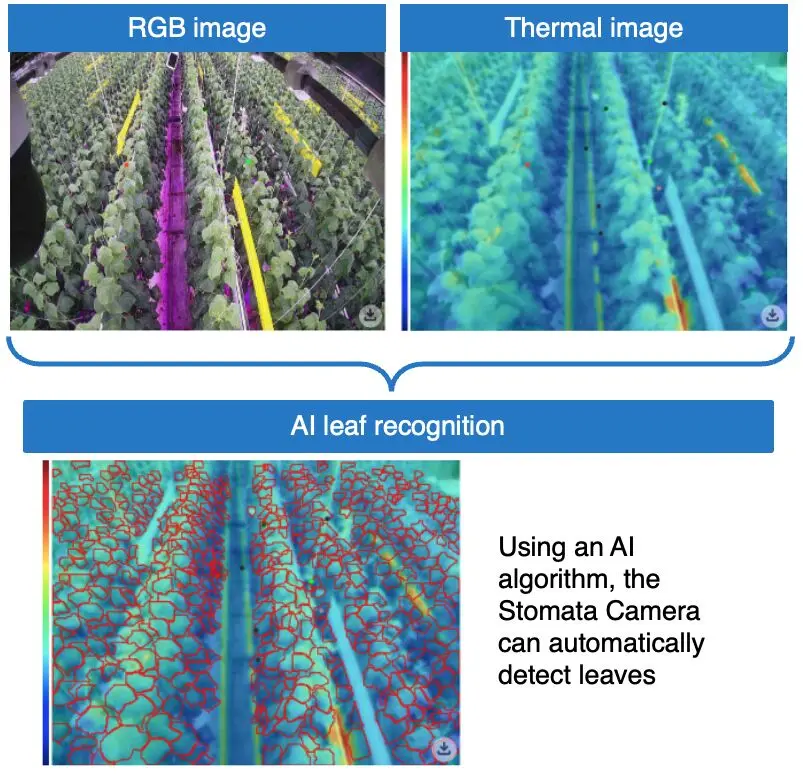
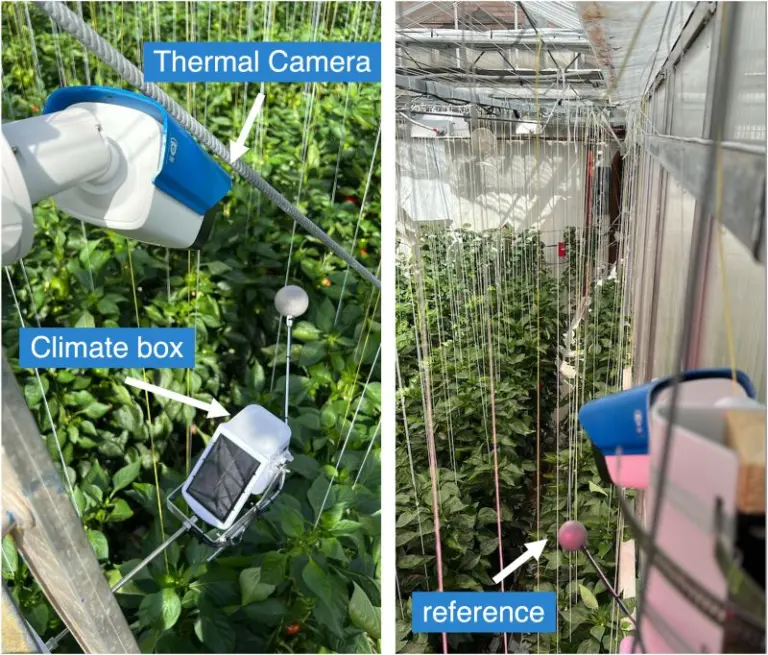
By measuring leaf temperature and VPD directly, climate decisions can be based on what the crop truly experiences. Using the Sigrow Stomata Camera and AI-driven plant segmentation, we work with growers to analyze data and translate it into practical strategies that stabilize microclimates and improve crop performance.
From 23 February to 6 March, I will be in Ontario meeting growers and partners. If you would like to discuss your VPD strategy and how you can take a crop centric approach, I would be happy to schedule a meeting! See you there!
Related Blogs

- Grower Insights
By Rutger VreezenHow uniform is your greenhouse climate
Learn why greenhouse climate uniformity is critical for plant growth, yield, and disease…- Grower Insights
By Rutger VreezenSpring is a favorite season in horticulture
Spring is a key season in greenhouse cultivation. Learn how to manage plant…

No Related Blogs Found
More Than Just Hardware
Our experts are here to help you make smarter growing decisions with confidence.
We’re here to support you.
Questions, assistance, or just want to chat – reach out!